New Study Establishes 19 Core Attributes of Positive Mental Health
A recent study establishes a standardized framework containing nineteen core components to define and measure positive mental health.

Researchers publishing in Nature Mental Health have identified nineteen distinct elements that comprise positive mental health by consulting experts across various disciplines. According to PsyPost - Psychology News, this collaborative effort aims to resolve discrepancies across fields that previously used varying definitions like flourishing or thriving.
The newly established framework includes life satisfaction and social connection, addressing previous fragmentation where different organizations utilized entirely separate evaluation standards. Experts noted that inconsistent terminology made synthesizing academic evidence and guiding public policy investments exceptionally difficult.
Establishing this unified set of components ensures that professionals across multiple sectors can target the same psychological well-being outcomes. Ultimately, this standardized approach provides a consistent foundation for measuring and supporting psychological wellness in communities and workplaces.
The Top Six Dimensions (Greater than 90% Agreement)
-
Meaning and purpose: Having clear goals, a sense of direction, and a larger aim in life and/or the feeling that what we do is worthwhile, rewarding, and valuable.
-
Life satisfaction: The degree to which a person positively evaluates the overall quality of their life as a whole (i.e., how much the person likes the life they lead).
-
Self-acceptance: Experiencing different aspects of oneself (e.g., one's body, personality, thoughts, and feelings) in a positive, tolerant, receptive, or non-judgmental way; experiencing positive self-worth.
-
Connection: Involving a feeling of belonging, mutual caring, love, and closeness to friends, family, and loved ones.
-
Autonomy: The perception that we have ownership over our behavior and choices, and the ability to express oneself.
-
Happiness: States that are characterized by moderate-arousal pleasant feelings, such as feeling happy, cheerful, and pleased.
The Remaining 13 Dimensions
-
Acceptance: The ability to self-reflect, identify what is within a person's control, and accept what is outside one's control.
-
Achievement: Having done something successfully, using one's own efforts and skills.
-
Activities and functioning: Overall satisfaction with our activities and leisure, and our ability to undertake these tasks.
-
Belonging: The feeling of deep connection with social groups, physical places, and individual and collective experiences.
-
Calmness: States characterized by low-arousal pleasant feelings, like serenity and peacefulness.
-
Competence: Feeling and perceiving oneself as effective and able to overcome challenges and stressors, and achieve desired outcomes.
-
Development: Experiencing growth and improvement.
-
Engagement: Having an absorbing experience in which the individual is completely focused on the task at hand or experiencing a state of mindful awareness.
-
Fun: Experiencing light-hearted pleasure, enjoyment, or amusement; entertainment.
-
Optimism: Having a positive outlook on life, and positive expectations about the future.
-
Self-congruence: The perception that our actions and behaviors are compatible with our interests, values, and beliefs.
-
Sense of safety: The feeling of relative security in one's daily life.
-
Vitality: States characterized by high-arousal pleasant feelings, such as feeling energetic and lively.
STAY IN THE LOOP
Get the next rundown.
Sign up to keep up with the latest stories from around the world.
Keep reading
All storiesWhat's next
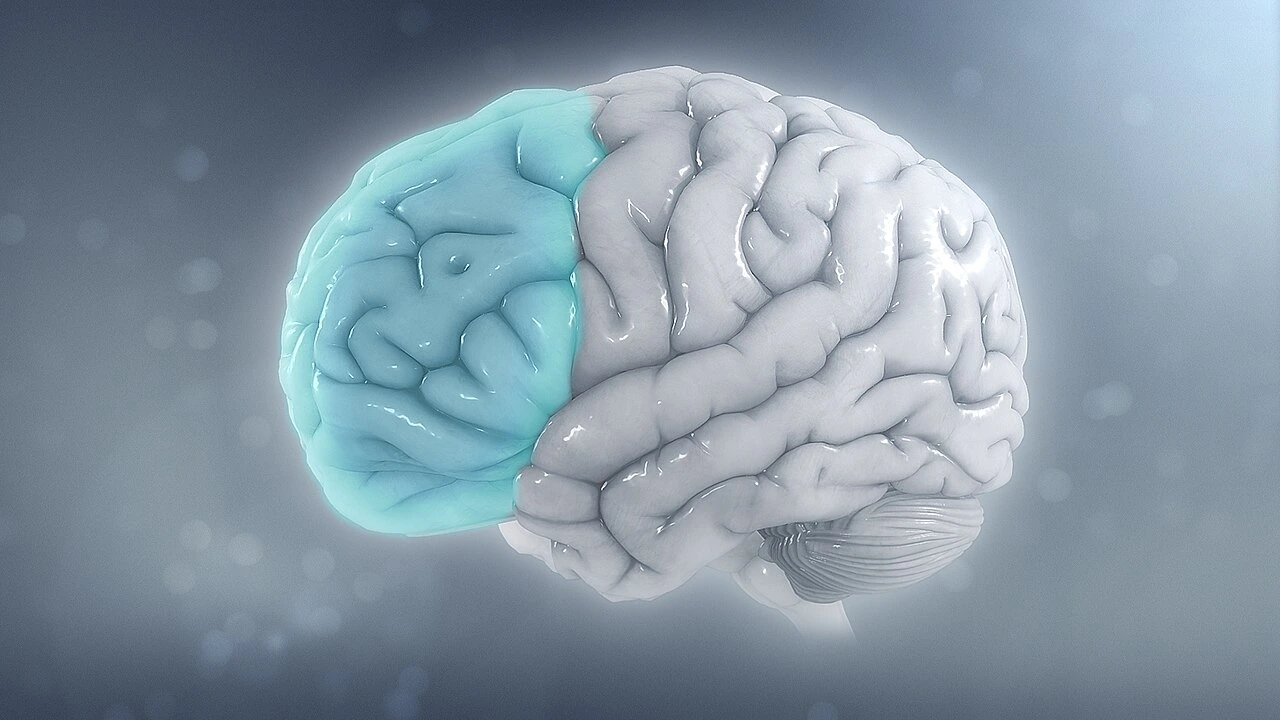
Recent research detailed by sciencenews.org demonstrates that pinpointing and disrupting specific neural signals with electricity can alleviate persistent, difficult-to-treat pain.

A large-scale analysis investigates how omitting red and processed meats affects mortality rates from various health conditions.
Were you satisfied with this article?